HOME
Poor water quality in rivers and streams is due to the effects of acid sulfate soils
The soil material in coastal regions of Finland is dominated by sediments deposited during the ancient Littorina Sea. The sediments are rich in sulfur and reducing conditions have ensured that it is all in sulfide form. The soil is drained and dried as it is used in agriculture, and this allows atmospheric oxygen to enter the soil. Sulfides are oxidized and sulfuric acid is formed. The acidified drainage water leach metals from the minerals in the soil on its way to recipient water streams. Coastal acid sulfate soils are therefore the main reason for the low pH and high metal concentrations in many rivers and water streams. These conditions can have a severe negative impact on fish and other water-living organisms.
A novel treatment technique
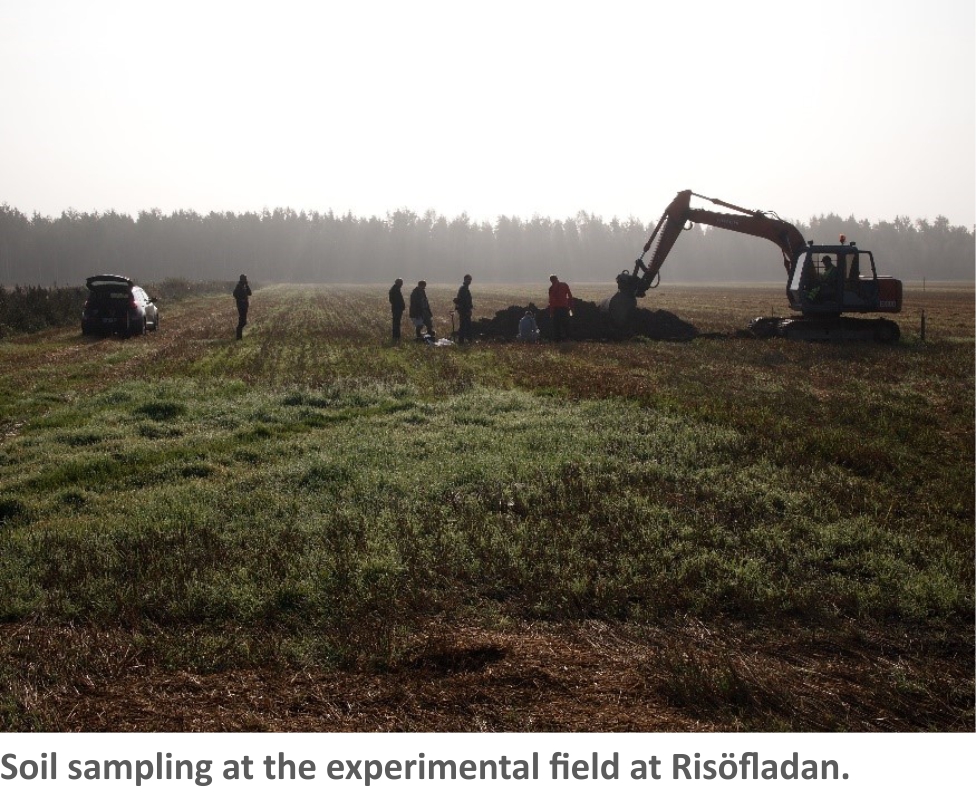
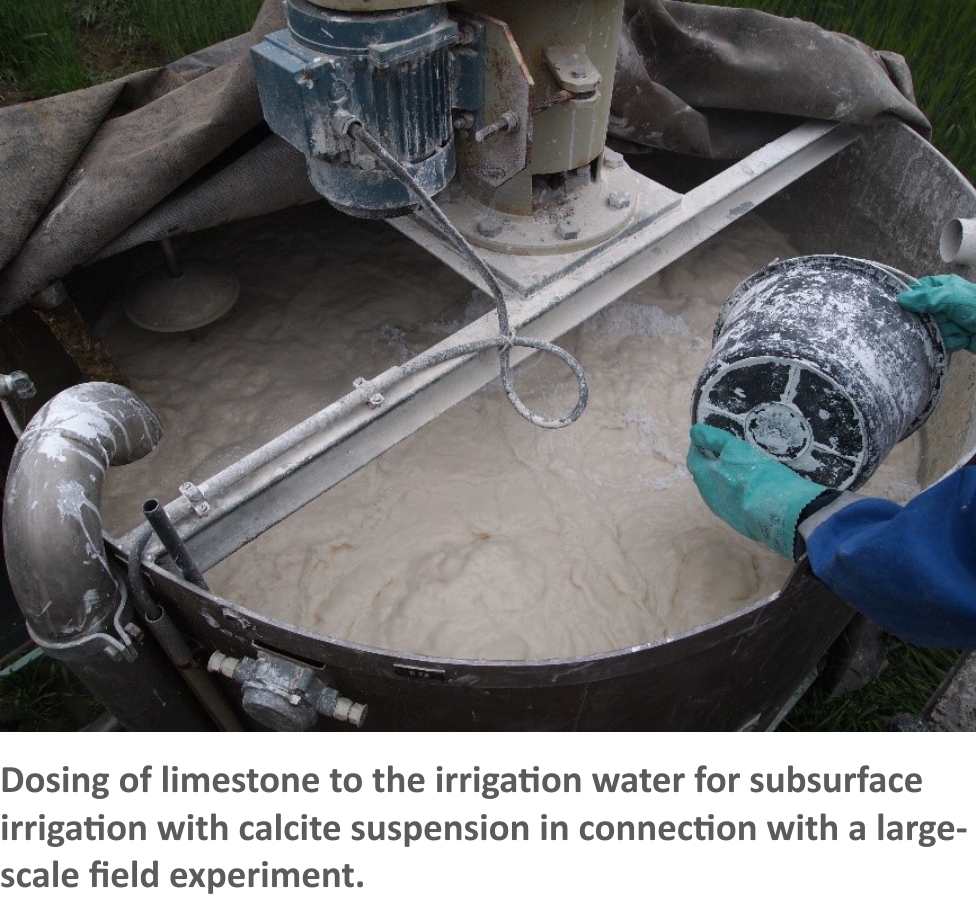
A new method for treating acid sulfate soils in agricultural use was developed in the PRECIKEM (Chemical precision treatment of acid sulfate soils to prevent acid formation) and the PRECIKEM II (Precision chemical treatment of acid sulfate soils for the protection of waters in environmentally sustainable agriculture) projects during the years 2010 – 2018. In fields with a controlled drainage system, ultrafine-grained limestone (CaCO3) is used to create a stable suspension that is pumped via the control well and drainage pipes out into the soil. The suspension enters the soil layer that is most active regarding oxidation, acid formation, and metal leaching. This raises the pH of the drainage water and lowers the metal concentrations.
In two projects, Attenuation of metal and acid release from acid sulfate soils – rapid screening and evaluation of new chemical treatment methods (2016) and Chemical and microbiological strategies for mitigation of environmental impacts caused by acidic and metal-rich drainage from acid sulfate soils (2017 – 2019), small-scale laboratory experiments were performed to evaluate the chemical and microbiological consequences of different treatments. In the latter project, a characterization of the microbial communities in the oxidized soil, transition zone soil and parent sulfidic sediment was further done in collaboration with the U.S. Joint Genome Institute in their ‘Small-scale Metagenomes and Metatranscriptomes’ program.
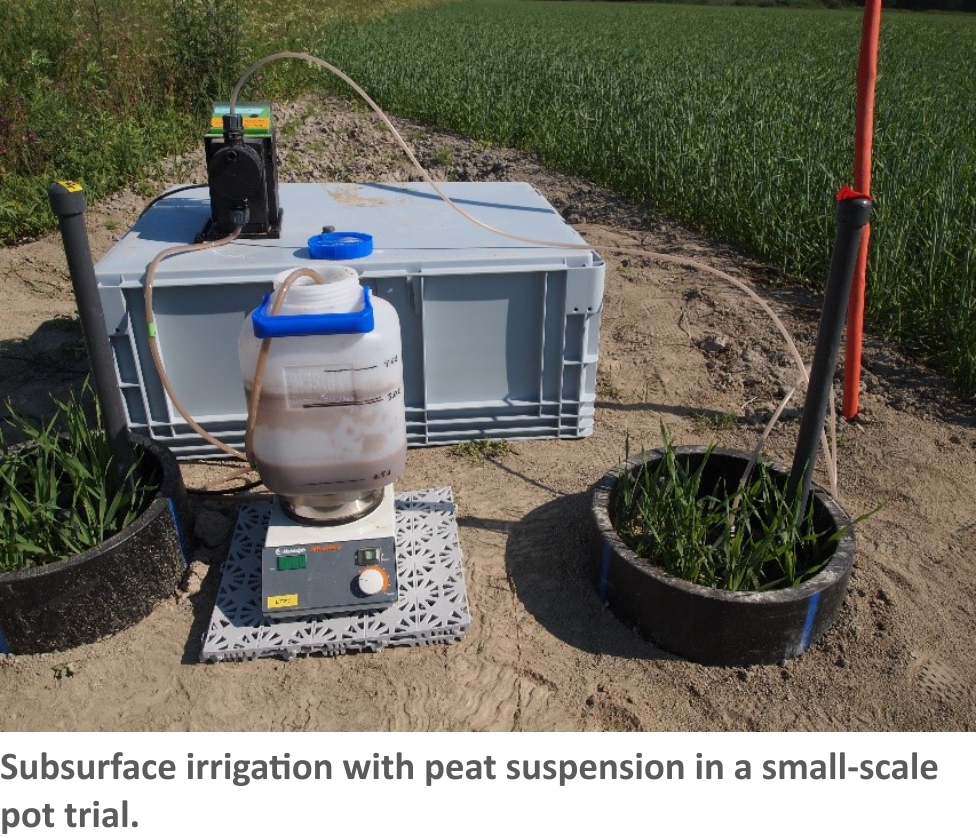
In the ProPRECIKEM (Sustainable productive farming with the PRECIKEM method) project, carried out during the years 2019 – 2022, focus was on effects on barley and grass in small-scale trials, and the mechanisation of the preparation of the treatment suspension, to further the acceptance of the method in agriculture.
The overarching goal has been to create a method to keep acid sulfate soils in productive agricultural use, while mitigating the environmental impact on affected streams and rivers. The process has also brought with it a broadened knowledge on the chemical and microbiological interactions in these soils.
NOVIA UNIVERSITY OF APPLIED SCIENCES
Sten Engblom
(research manager)
+358 503402732
Eva Högfors-Rönnholm
@novia.fi
+358 447805737
VAASA UNIVERSITY OF APPLIED SCIENCES
Pekka Stén
+358 207663565
YA - VOCATIONAL COLLEGE OF OSTROBOTHNIA
Anders Grannas
anders.grannas@
yrkesakademin.fi
+358 447503115
